
Why Accessibility is mostly an afterthought
Why accessibility is not considered right from the scoping stage.

Many organisations don't prioritise accessibility right from the start. Instead, they focus on launching a minimum viable product and refining the user experience for their primary users. Designers and Product Managers invest significant time in user interviews and incorporating solutions to documented issues. This approach may work for niche products but leaves out a crucial demographic.
The moment a person with a disability, comments about the app's difficulty in the App Store or Play Store, it becomes clear that there is a problem. The app's lack of accessibility is due to a lack of awareness and understanding of the issues faced by people with disabilities. However, no one is at fault here; we create solutions based on the problems we comprehend. It's challenging to grasp the difficulties faced by people with disabilities unless the creators have experienced them firsthand.
Why do accessibility practices get overlooked? Here are some reasons:
Navigating WCAG is tough
The Web Content Accessibility Guidelines WCAG are like a detailed roadmap for creating web content that everyone, including those with disabilities, can easily navigate and understand. These guidelines are packed with recommendations to ensure the digital world is as inclusive as possible. But let's be honest: diving into this extensive list can feel like trying to drink from a firehose for many designers. It's a lot to take in, and the sheer volume of information can make it tricky to figure out where to start and how to apply these guidelines effectively.
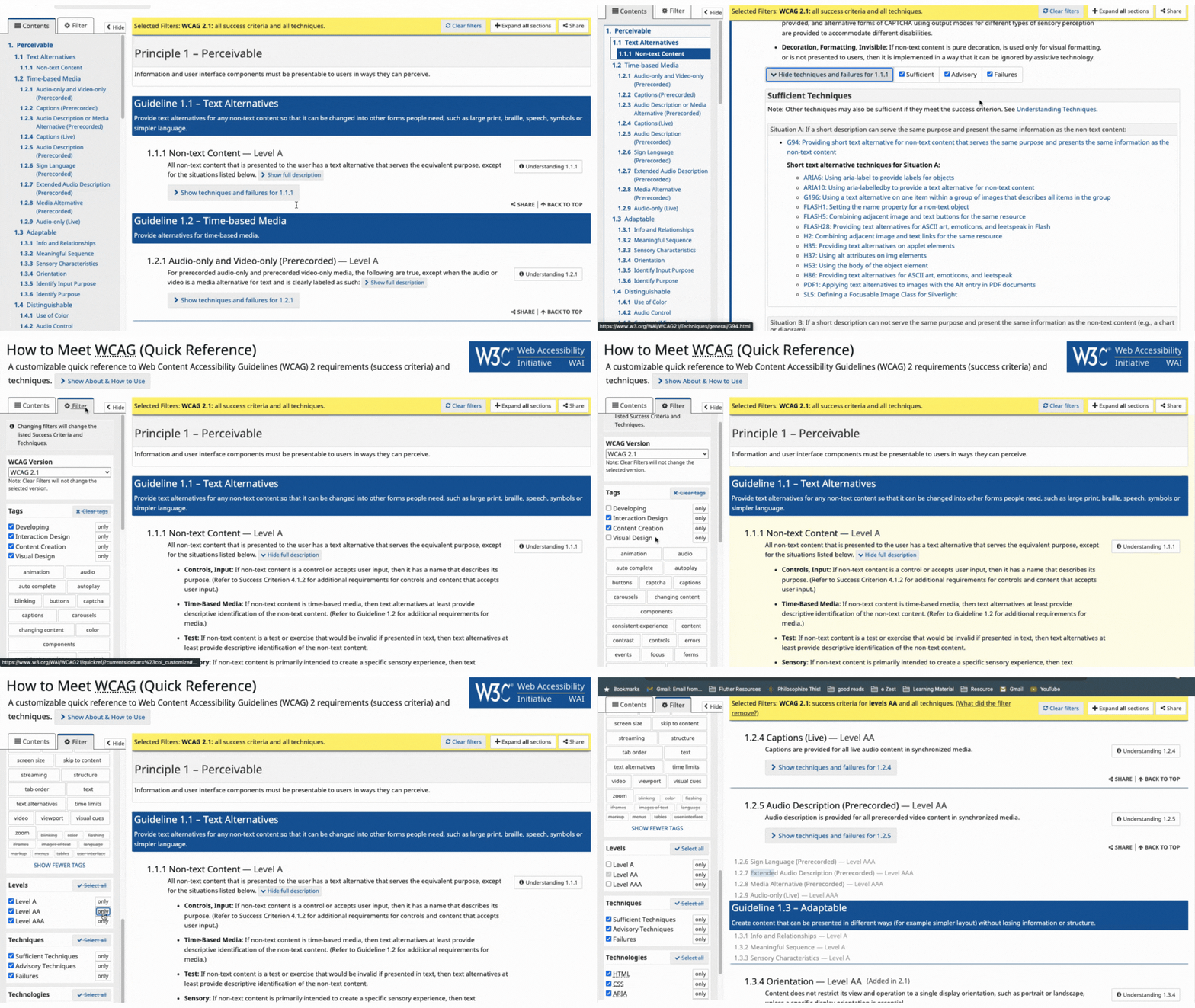
The GIF above shows a screen recording of the website W3 org, showing the quick reference guide for accessibility guideline 1.1
Moreover, for those who don't face any sensory or physical challenges, it might be hard to truly understand why all this extra effort for accessibility is so crucial. It's a bit like explaining colors to someone who has always seen them in black and white; unless you've experienced the challenges firsthand or deeply understood them, the importance might not immediately click. Had I not gotten the knee pain, I would have never understood how a single step could become a hurdle for anyone.
So, how do we bridge this gap? First and foremost, there's a need to amplify the significance of WCAG compliance. This isn't just about ticking off boxes on a checklist; it's about making the digital product a welcoming space for everyone. Designers and those calling the shots need to be equipped with knowledge and empathy. They should be encouraged to dive deep into the guidelines, perhaps even attend workshops or webinars that break down the recommendations in digestible chunks.
But it's not just about understanding the guidelines but embracing them wholeheartedly. When designing a website or any digital content, considering the diverse needs of users from the get-go can make a world of difference. It's like laying the foundation of a building with every possible user in mind. The result? A digital experience that's not just for a few but is genuinely open and accessible to the widest range of users.
ROI concerns
Accessibility is not merely a supplementary feature but a cornerstone of an inclusive digital experience. Ensuring that all users, regardless of physical or cognitive abilities, can seamlessly interact with digital platforms is paramount. Yet, many companies, in their quest for rapid development and deployment, often sideline accessibility considerations, only to realize its importance at a later stage. This oversight can be attributed to a misconception that integrating accessibility might only marginally expand the user base and hence, might not warrant significant investment.
However, this perspective is shortsighted. Approximately 15% of the global population grapples with some form of disability. This translates to a staggering number of individuals who find accessing and navigating digital platforms challenging. More specifically, around 7% of these individuals encounter difficulties accessing digital assets. These figures underscore the fact that a substantial segment of the global population is at risk of being excluded if accessibility is not prioritized.
Addressing accessibility as an afterthought can lead to a multitude of challenges. For one, retrofitting a platform to be accessible can necessitate a comprehensive reevaluation of its design, functionality, and user interface. This places undue strain on developers, designers, and testers, escalates costs, and extends timelines. Moreover, retrofitting often results in patchwork solutions that may not offer the most optimal user experience for those with disabilities.
The pragmatic approach, therefore, is to embed accessibility considerations right from the inception of a project. By doing so, developers can holistically integrate features that cater to all users, ensuring no one is left behind. This proactive approach broadens the potential user base and circumvents the complications and expenses associated with late-stage modifications. In essence, prioritizing accessibility from the outset is a socially responsible decision and a sound business strategy.
Lack of genuine feedback
Designing apps for individuals with disabilities goes beyond just adding a few features; it's about deeply understanding and empathizing with their needs and life experiences. Regardless of their abilities, every user deserves a seamless and enjoyable digital experience. However, the journey to achieving this can be riddled with challenges, especially regarding testing.
While the gold standard for testing would be to engage directly with users who have disabilities, this method can be pretty pricey. It involves recruiting participants, setting up the right environment for testing, and compensating them for their time. Due to these costs, many designers opt for simulated experiences, using tools and software to mimic potential user interactions. But here's the catch: These simulations, while useful, can only partially capture the nuances and intricacies of real-life user experiences. It's like trying to understand the taste of a dish by just looking at its recipe.
So, what's the solution? Designers need to find a sweet spot, a middle ground that combines cost-saving measures with genuine, authentic feedback. This could mean using simulations in the early stages of design, consulting with experts specialising in accessibility, and then conducting targeted user testing with a select group of individuals with disabilities. By blending these methods, designers can gather a more holistic understanding of user needs without breaking the bank.
In essence, it's about being smart and strategic. By leveraging a mix of techniques, designers can ensure that the apps they create are not just accessible on paper but genuinely resonate with and cater to the unique needs of individuals with disabilities.
Ideation assumptions
Designers, developers, and Product Managers may make assumptions that lead to accessibility being an afterthought, such as;
We can add accessibility just before the release
Unfortunately, this approach is not sufficient. While some accessibility features like alt text can be added quickly, ensuring the entire product is accessible requires advance planning. It is important to consider accessibility requirements from the beginning of the design process. Retrofitting accessibility features into an existing app is often complicated and time-consuming and may require significant changes to the app's architecture.
To ensure that your app or website is accessible, you should involve people with disabilities in the design process. This will help you to identify potential accessibility issues early on and to make informed design decisions that will benefit all users.
PWDs won't access my website
The reality is that many people with disabilities do access websites and apps. In fact, people with disabilities are among the most avid users of digital media, as it provides a means of communication and access to information that might otherwise be difficult or impossible to obtain. Therefore, it is important to consider accessibility from the beginning of the design process to avoid the need for refactoring or redevelopment later on.
It's a small group of users
People with disabilities represent a smaller proportion of the population than those without disabilities. However, around 500 million people worldwide have disabilities that affect their interaction with digital media. This is a significant number, and inaccessible apps or websites could miss out on many of the global population. Ensuring accessibility from the start can prevent this potential loss and help create a more inclusive and diverse digital landscape that benefits everyone.
Yes, I have compiled books!

Every once in a while, the content gets a bit large for blog posts. So it is assimilated and published as a book (or a notion template). You can buy the existing books and find upcoming books on this page.
In conclusion
Because of the reasons discussed above, accessibility is not a prime concern when it comes to consumer facing applications. Given that a very small percent of populations needs to apps to be accessible, the accessibility considerations get deprioritised. But as we get older, we will start depending more and more on the accessibility features. We need to start building the culture of considering accessibility from the scoping stage and build the rituals that ensure the accessibility features are taken into account. After all, these features are necessary for some, but helpful to all!